*I am NOT a medical professional. I am gathering my information through google, my endocrinologist and from personal experience*
My name is Aly, I’m a 24 year old from Ontario, Canada! I was diagnosed with Graves Disease in April of 2024 (currently July 2024.)
In October 2023, I noticed some odd symptoms starting to occur like weight loss without trying and extreme bruising. I wasn’t going to make a doctors appointment but I’m glad I did. My Doctor thought the bruising could be from my anxiety medication, Escitalopram that was causing the bruising. She ordered blood work just to see if anything was out of whack. My TSH level was 0.01 when it should be between 0.36-3.74.
I was then diagnosed with Subclinical Hyperthyroidism. In January of 2024 I had lost more weight, had an extreme rapid heart rate, was fainting, sweating a ton, very anxious, dizzy, issues sleeping and more. I got my blood taken again and my TSH, T3 and T4 were all very low and not in normal ranges.
I had went for an ultrasound on my thyroid to determine what could be going on. I was referred to an Endocrinologist (Thyroid Doctor) to help me further.
My endo diagnosed me with Graves Disease in April of 2024. I was prescribed Methimazole and trialed a few different doses. I was also prescribed the beta blocker propranolol. I am still on those medication’s today. After doing some research I couldn’t find very many sites that offered a ton of tips, info or stories about this disease. I had never heard of the disease prior and didn’t know anyone personally who had it. From a Google search, I found out Wendy Williams had the same disease and noticed some huge changes in her appearance.
I initially felt alone and confused about what all of this meant but after doing my own research and asking my endo all of my questions, I have been able to understand this disease a bit better. My last bloodwork sample was taken in June 2024. My thyroid levels were better than they were but still a lot more needs to be improved.
Before I get into some tips I have created and have helped me through my journey, I wanted to highlight a few things that are good to know when we talk about Graves Disease.
A video to summarize all about Graves Disease (if you prefer watching a video instead of reading)
Definitions:
- TSH: TSH stands for thyroid stimulating hormone.
- T3: Triiodothyronine (T3) is a thyroid hormone. It plays an important role in the body’s control of metabolism (the many processes that control the rate of activity in cells and tissues)
- T4: A hormone that is made by the thyroid gland and contains iodine. T4 increases the rate of chemical reactions in cells and helps control growth and development.
- Thyroid: a large ductless gland in the neck which secretes hormones regulating growth and development through the rate of metabolism.
- Subclinical Hyperthyroidism: This is when your TSH levels are low but your T3 and T4 levels are normal.
- Hyperthyroidism: When your TSH, T3 and T4 levels are all low
- Endocrinologist: a medical practitioner specializing in the diagnosis and treatment of disorders of the endocrine glands. They most commonly treat people with diabetes and thyroid diseases.
- Methimazole: Methimazole is a medication that treats hyperthyroidism, or high thyroid levels in your body. It decreases the amount of thyroid hormone your body makes.
What Is Graves’ Disease?
Graves disease is an autoimmune disorder that involves overactivity of the thyroid. The thyroid gland produces too much thyroid hormone, (a condition known as hyperthyroidism.) Thyroid hormones regulate body temperature, heart rate and metabolism. An overactive thyroid causes problems with organs like the heart, as well as bones and muscles.
What Can Trigger Graves’ Disease?
- Stress
- Pregnancy
- Family History
How Common Is Graves’ Disease?
It’s a relatively rare condition. It affects approximately 1.2% of people in the United States.
How Does Graves’ Disease Affect My Body?
Thyroid hormone affects several parts of your body and bodily functions. Because of this, Graves’ disease can affect many parts of your body, including your:
- Heart
- Skeletal muscle (the muscles that help you move)
- Eyes
- Skin
- Bones
- Liver
What Are The Symptoms Of Graves’ Disease?
The onset of symptoms of Graves’ disease is usually gradual, often taking several weeks or months to develop.
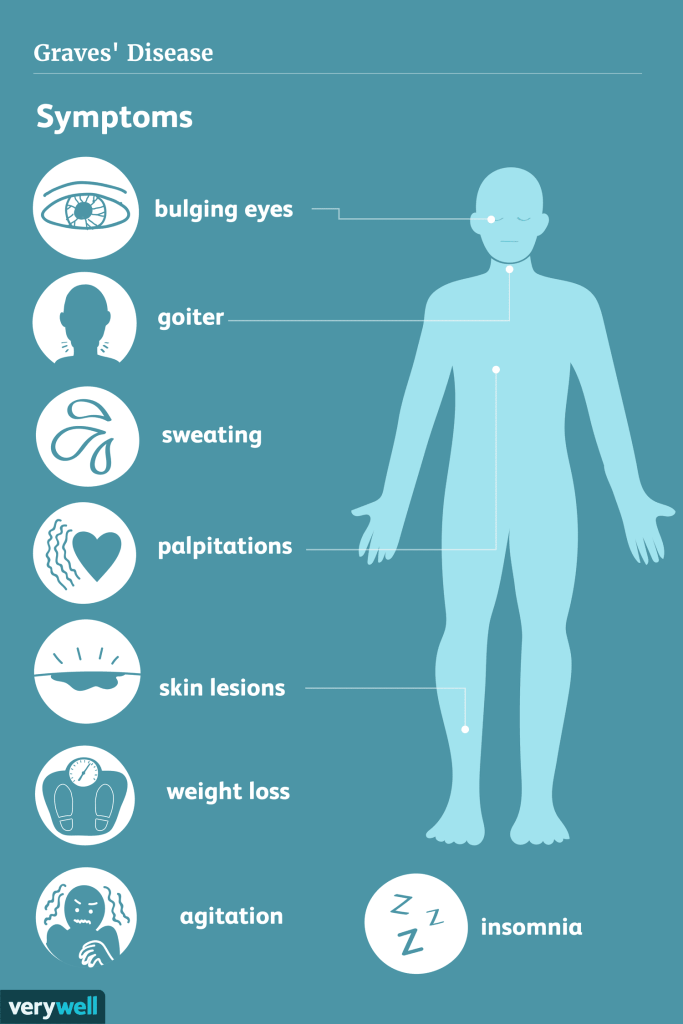
Graves’ disease causes hyperthyroidism, which speeds up certain body functions. There are many symptoms of hyperthyroidism. You may experience some of these symptoms and not others, or many of them at the same time.
Symptoms of hyperthyroidism can include:
- Rapid heartbeat (palpitations).
- Feeling shaky and/or nervous.
- Weight Loss.
- Increased appetite.
- Diarrhea and/or more frequent bowel movements.
- Thin, warm and moist skin.
- Intolerance to heat and excessive sweating.
- Difficulty sleeping, such as insomnia.
- Enlarged thyroid gland (goiter).
- Hair loss and change in hair texture (brittle).
- Menstrual changes.
- Muscle weakness.
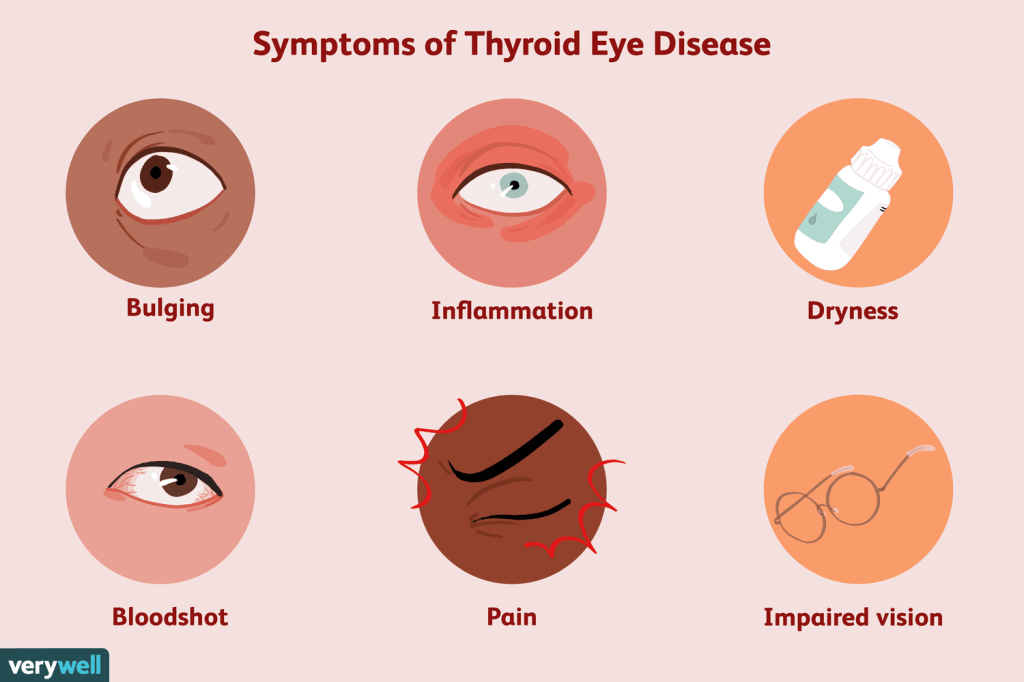
Graves’ disease can also cause eye disease symptoms, including:
- Gritty, irritated eyes.
- Swelling of the tissues around your eyes (puffy eyes).
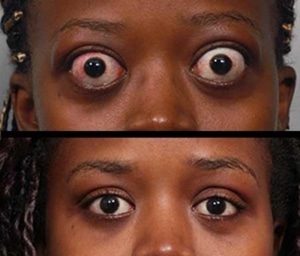
- Bulging eyes.
- Light sensitivity.
- Pressure or pain in your eyes.
- Blurred or double vision.
This is called Graves’ ophthalmopathy or orbitopathy or thyroid eye disease. Only about a third of people with Graves’ disease develop this condition.

How Is Graves’ Disease Treated?
Graves’ disease is a lifelong (chronic) condition. However, treatments can keep your thyroid hormone levels in check. Medical care may even make the disease temporarily go away (remission).
Treatments for Graves’ disease include:
- Beta-blockers: Beta-blockers, such as propranolol and metoprolol, are often the first line of treatment for Graves’ disease. These medications regulate your heart rate and protect your heart until other hyperthyroidism treatments take effect. These medications don’t stop thyroid hormone production.
- Antithyroid medications: Antithyroid medications, such as methimazole and propylthiouracil, block your thyroid’s production of thyroid hormone. In a small percentage of people, these medications cause skin rashes and low white blood cell count, which may increase your risk of infection. Rarely, liver disease develops.
- Radioiodine therapy:This therapy involves taking one dose of radioactive iodine in pill or liquid form. Over two to three months, radiation slowly destroys thyroid gland cells. (The rest of your body isn’t exposed to radiation.) As your thyroid gland shrinks, hormone levels return to normal. People who are pregnant or breastfeeding shouldn’t get this treatment. If you have this treatment, you’ll likely eventually develop hypothyroidism (underactive thyroid), which requires medication. But hypothyroidism is easier to treat than hyperthyroidism and it causes fewer long-term health problems.
- Surgery: A thyroidectomy involves surgically removing all or part of your thyroid gland. After surgery, some people produce too little thyroid hormone (hypothyroidism). If you develop this condition, you may need to take thyroid replacement hormone medications, such as levothyroxine, for the rest of your life.
Now onto the 20 tips that I’ve learned along the way!
20 TIPS FOR MANAGING GRAVES DISEASE
1. Continuously Speaking With Your Doctor/Endocrinologist And Following Their Advice:
It’s important to seek support from the medical professionals treating your thyroid. Your thyroid levels can fluctuate very easily putting you at risk for a thyroid storm or being hypothyroidism. Your endocrinologist or thyroid specialist will be tailoring a treatment plan specifically for you. This typically involves medication to regulate thyroid function so it’s important to both follow what the doctor tells you to do and speaking to them on a regular basis. (Personally, I speak to my doctor monthly).
2. Take Medication as Prescribed:
Follow your prescribed medication schedule diligently. Like we discussed above, this often includes anti-thyroid medications like Methimazole or Propylthiouracil to control your overactive thyroid function.
I am guilty of forgetting if I have taken my morning and afternoon pills or not, so I bought myself a pill sorter. This keeps me on track and helps me remember to take both morning and evening pills. I will even pack this in my bag if I know I’ll be away for the evening. I have attached below the pill sorter I have.
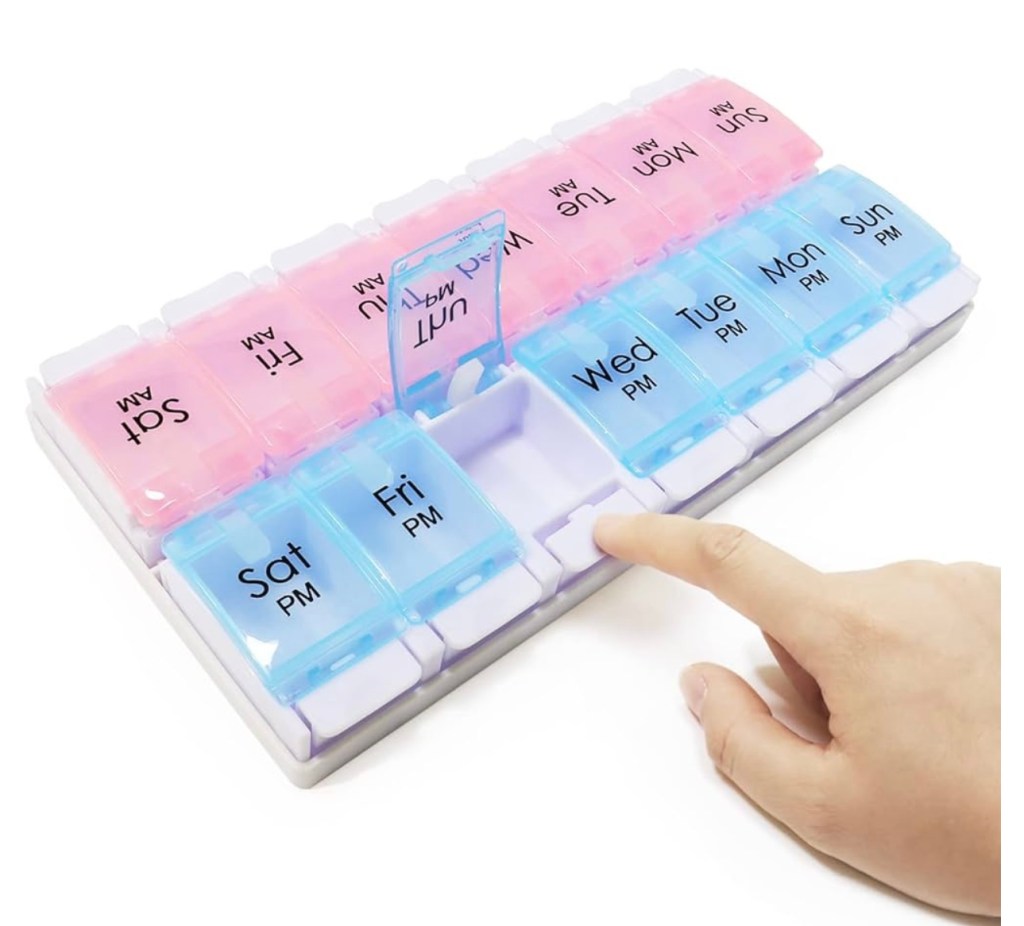
Pill Sorter
Click Here
3. Monitor Your Symptoms:
Pay attention to any changes in symptoms such as heart palpitations, tremors, weight loss, or heat intolerance. Inform your doctor promptly about any concerns. It’s also a good idea to write down what days you are experiencing these symptoms and what days you don’t have them.
By getting a symptom tracking journal, it helps to record the symptoms, how you’re feeling that day, what you did that day etc to see if you can identify any triggers. It’s also good to see what new symptoms are starting and what symptoms have stopped. All important information for your doctor or endocrinologist to know. I have attached below the symptom track I have used.
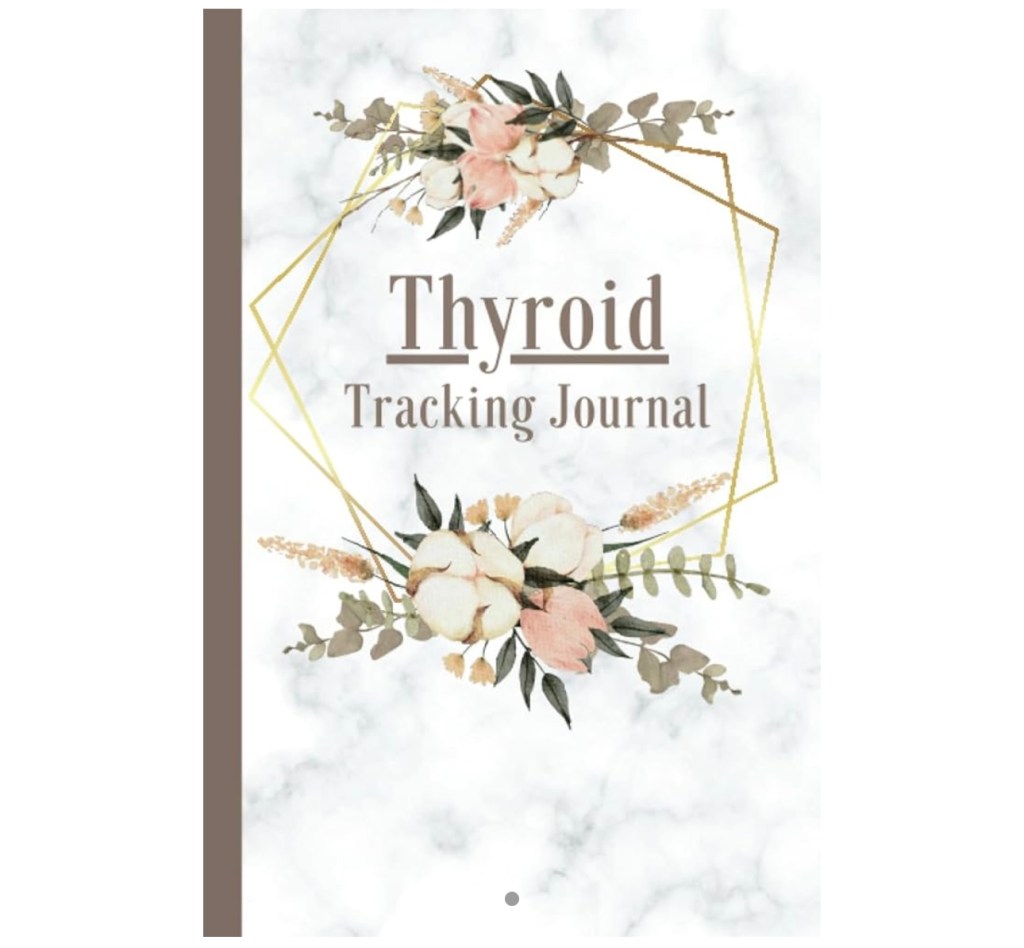
Thyroid Tracking Journal
Click Here
4. Monitor Bone Health:
Graves’ disease and its treatments can affect bone density. Ensure an adequate intake of calcium and vitamin D, and discuss bone health monitoring with your doctor, especially if you’re on long-term thyroid medication.
5. Educate Yourself About Radioactive Iodine Treatment (RAI) or Surgery:
In some cases, RAI or thyroid surgery may be recommended if medications do not effectively control Graves’ disease. Understand the potential benefits, risks, and long-term implications of these treatment options. Discuss thoroughly with your healthcare provider to make informed decisions.
Thyroidectomy surgery (the removal of the thyroid)
RAI
6. Stay Hydrated:
Drinking plenty of water helps support thyroid function and overall health. Aim for at least 8 glasses (8 ounces each) of water per day, or more if you’re physically active. Below I have attached a water bottle to ensure you’re hitting you water intake.
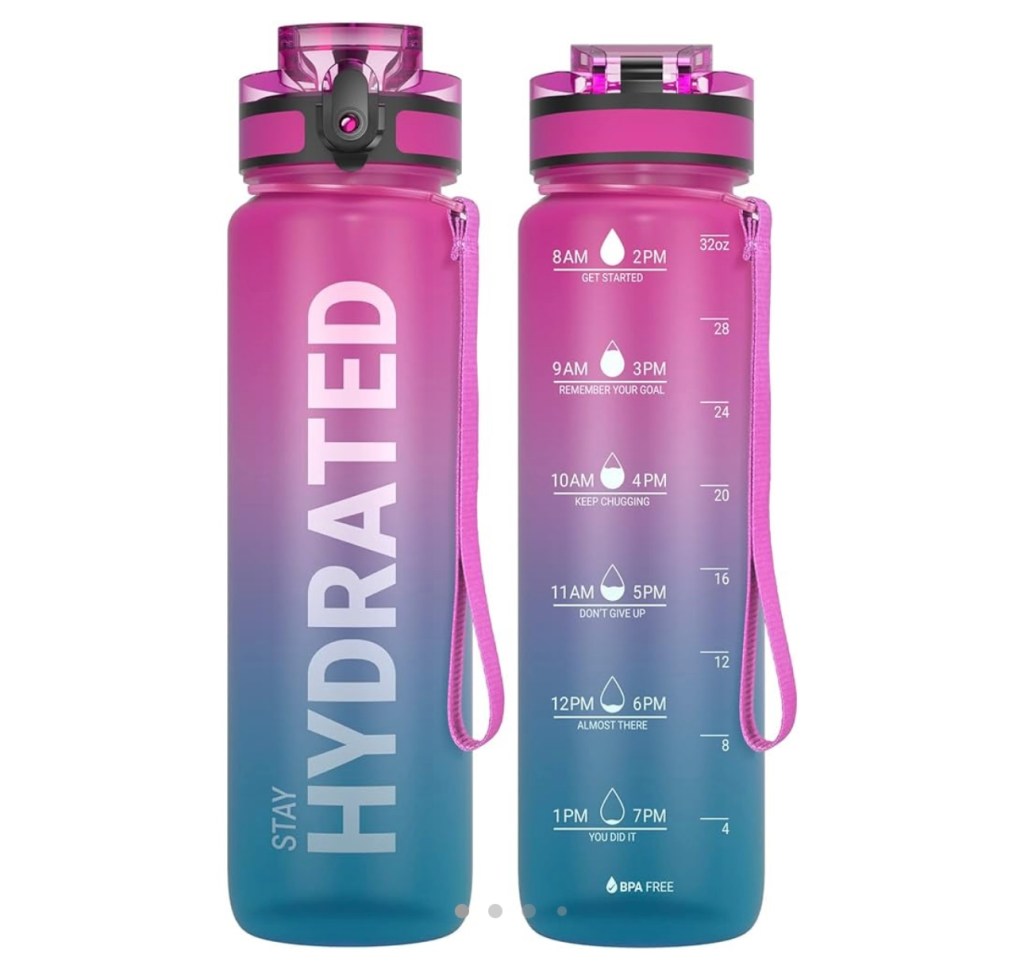
Motivational Water Bottle
Click Here
7. Watch for Signs of Thyroid Storm:
Thyroid storm is a rare but life-threatening complication of Graves’ disease characterized by extreme symptoms such as high fever, rapid heart rate, and confusion. Know the signs and seek immediate medical attention if you experience these symptoms.
8. Protect Your Eyes:
Graves’ disease can sometimes lead to Graves’ ophthalmopathy (thyroid eye disease), which may cause eye discomfort, bulging eyes, or vision changes. Protect your eyes from irritation, avoid smoking (which worsens eye symptoms), and consider using lubricating eye drops if needed. In May of 2024, my eyes started to feel dry and would twitch often. After speaking to my endocrinologist, she had two things to help with the discomfort and to slow the onset of possible ophthalmopathy.
First, she advised me to buy artificial eyedrops and use them daily. Second, she recommended I start taking 100g of Selenium daily. Selenium is an over the counter medication you can buy at any pharmacy or (for Canadian folks, Shoppers Drugmart is where I get mine). Selenium is proven to help with the discomfort and prolong ophthalmopathy. I still use both of these daily and do not have ANY issues with my eyes. Below, I have attached both the artificial eye drops and Selenium I take.

Selenium
Click Here

Artificial Eyedrops
Click Here
9. Plan for Pregnancy:
If you’re planning to conceive, discuss your condition with your doctor beforehand. Graves’ disease can affect fertility and pregnancy, so proper management and monitoring are crucial to ensure a healthy pregnancy for both you and your baby.
You CANNOT try and conceive while on the thyroid medication Methimazole. It can seriously harm the fetus. There is an alternative thyroid medication that your endocrinologist will prescribe you if you’re trying to conceive. My endocrinologist gave me very strict instructions to either start birth control or use condoms while having sex.
10. Monitor Your Heart Health:
Graves’ disease can increase the risk of heart-related complications such as irregular heartbeats (arrhythmias) or high blood pressure. Regularly monitor your blood pressure and heart rate, and discuss any concerns with your doctor. Below I have attached a blood pressure cuff so you can closely watch your blood pressure.
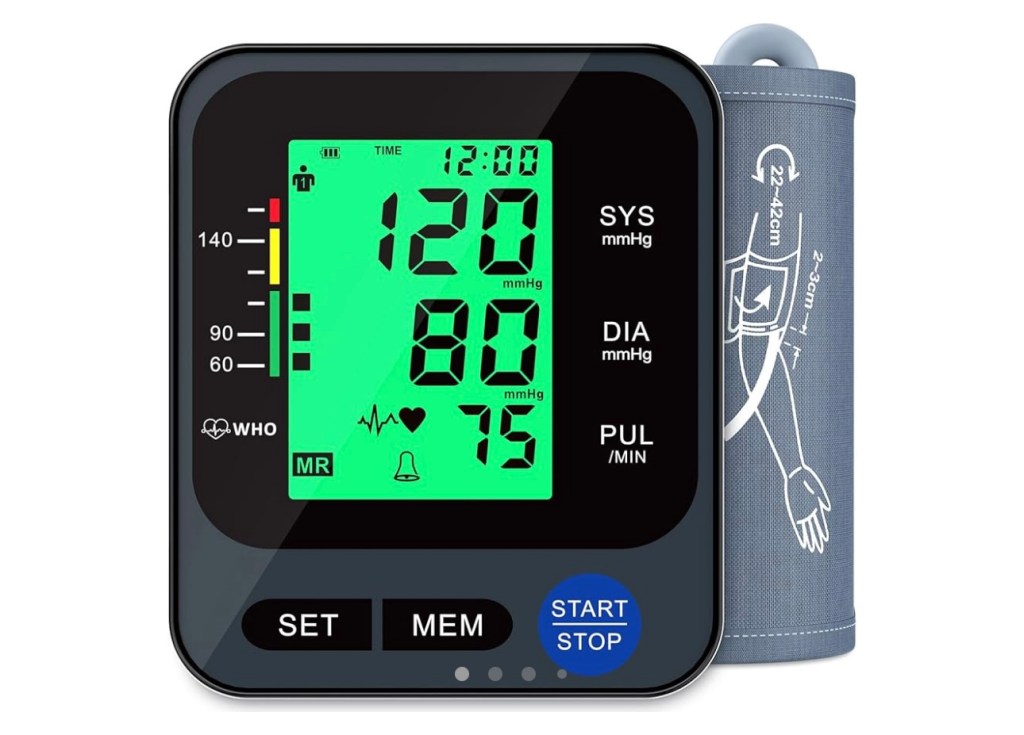
Blood Pressure Monitor
Click Here
11. Manage Body Temperature:
People with Graves’ disease may have difficulty regulating body temperature, especially if hyperthyroidism is severe. Dress in layers and stay cool in warmer weather to help manage heat intolerance.
12. Find Products That Work For Your For Your Potential Hair loss:
When hormone production is disrupted, specifically of hormones T3 and T4 , it affects other processes in the body. This includes the development of hair at the root. Hair falls out and may not be replaced by new growth, resulting in thinning across your scalp and other areas such as your eyebrows. Below, I have attached some products I use to maintain my hair growth.
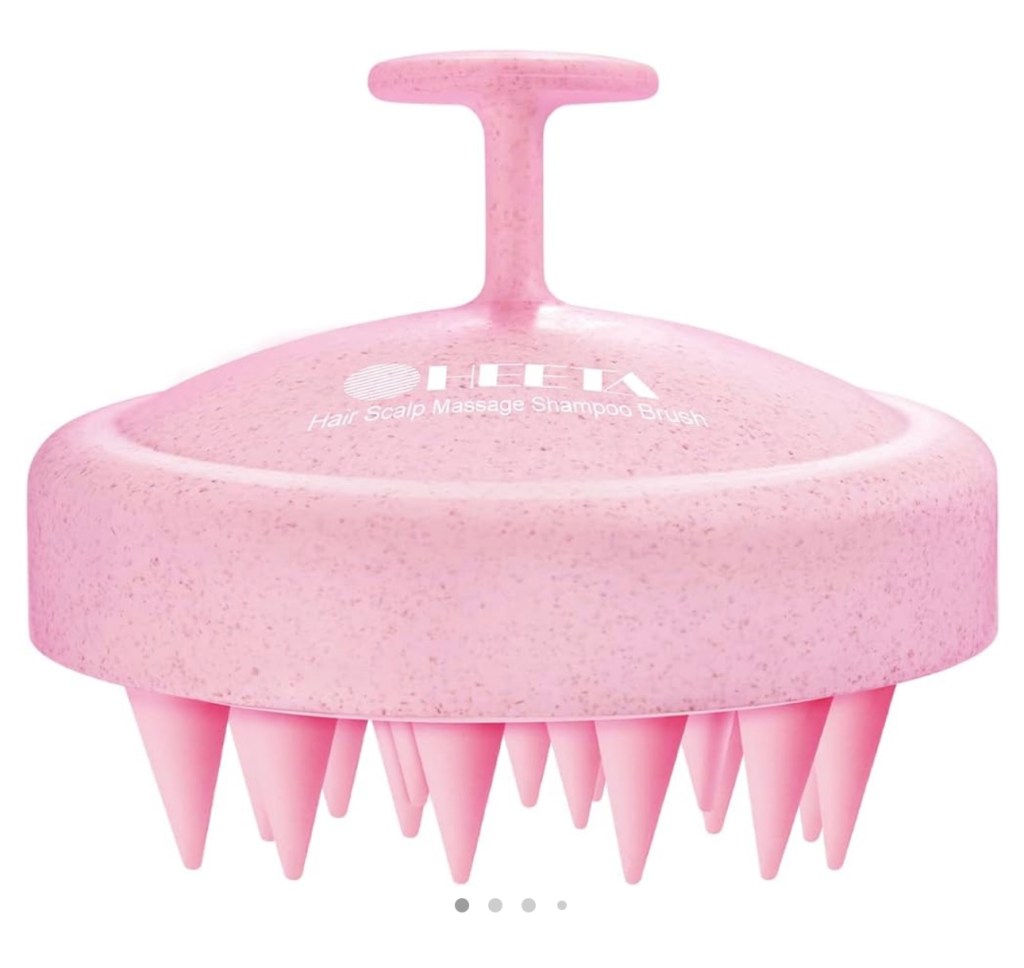
Scalp Massager
I put oil in my hair and then use this scalp massager to help stimulate my hair follicles while the oil is in my hair.
Click Here

Rice Water Spray With Biotin And Caffeine
Click Here

Jojoba Oil
I put this on ONLY the ends of my hair.
Click Here

Argan Oil
Click Here

Rosemary Oil
Click Here
How to use the hair products:
You can use the ‘Rice Water Spray With Biotin And Caffeine’ on your hair a few days a week. Spray the product on dry hair and in the spots that you notice the most hair loss. Get as close to the scalp and the root of the hair when you are spraying this. Then get your scalp massager and massage the product in for 5 mins. You can use this 3-4 days a week.
For the hair oils, I use the jojoba oil on the ends of my hair. I’ll fill the dropper half way and then put the product into my hands. I’ll run the product through the ends of my hair with my fingers. I don’t soak the ends of my hair with the oil, I just coat it enough so it’s in my hair thoroughly.
When it comes to the rosemary and argan oil, you must combine these oils together. The best ingredient for hair growth is rosemary oil. However, rosemary oil cannot be used by itself when applying it to your hair. You need a carrier oil to combine it with and I use argan oil. The recommended dilution ratio is usually 5 drops of rosemary oil per 10ml of carrier oil. Once the oils are combined, I run the dropper through dry hair and on the scalp of my hair. I do not fully wet my hair with the oil, I only lightly coat my scalp. Do not use too much oil as this can work the opposite way. Once the oil is on my scalp, I will use the scalp massager for 5 mins to rub the oils in.
I do this 3 times per week. Once the oil is left in your hair for 2-4 hours, you can wash it out. I double wash my hair by shampooing twice.
13. Practice Good Dental Hygiene:
Graves’ disease can sometimes lead to changes in oral health, including an increased risk of gum disease (periodontitis). Maintain good dental hygiene practices, including brushing and flossing regularly, and visit your dentist for regular check-ups. Below I have attached Amazon’s best selling electric toothbrush.

Oral B Electric Toothbrush
Click Here
14. Be Aware of Emotional Health:
Living with a chronic condition like Graves’ disease can impact your emotional well-being. It can make you feel lonely and confused. Your body could change in so many different ways you may start to feel even a bit insecure. Seek support from counselors, therapists, or support groups to address feelings of anxiety, depression, or stress.
15. Maintain a Good Skincare Routine:
You may notice a huge change with your skin. With adding medication, your skin may become prone to acne and severe breakouts. This is what happened to me. Prior to being diagnosed, I had no issues with acne on my skin. Below I have listed some of my favourite skin care products that worked REALLY well for me and helped keep my acne away.

Miracle Patch
Click Here

Large Blemish Patches
Click Here

High Frequency Facial And Hair Wand (A MUST HAVE!!!)
Click Here
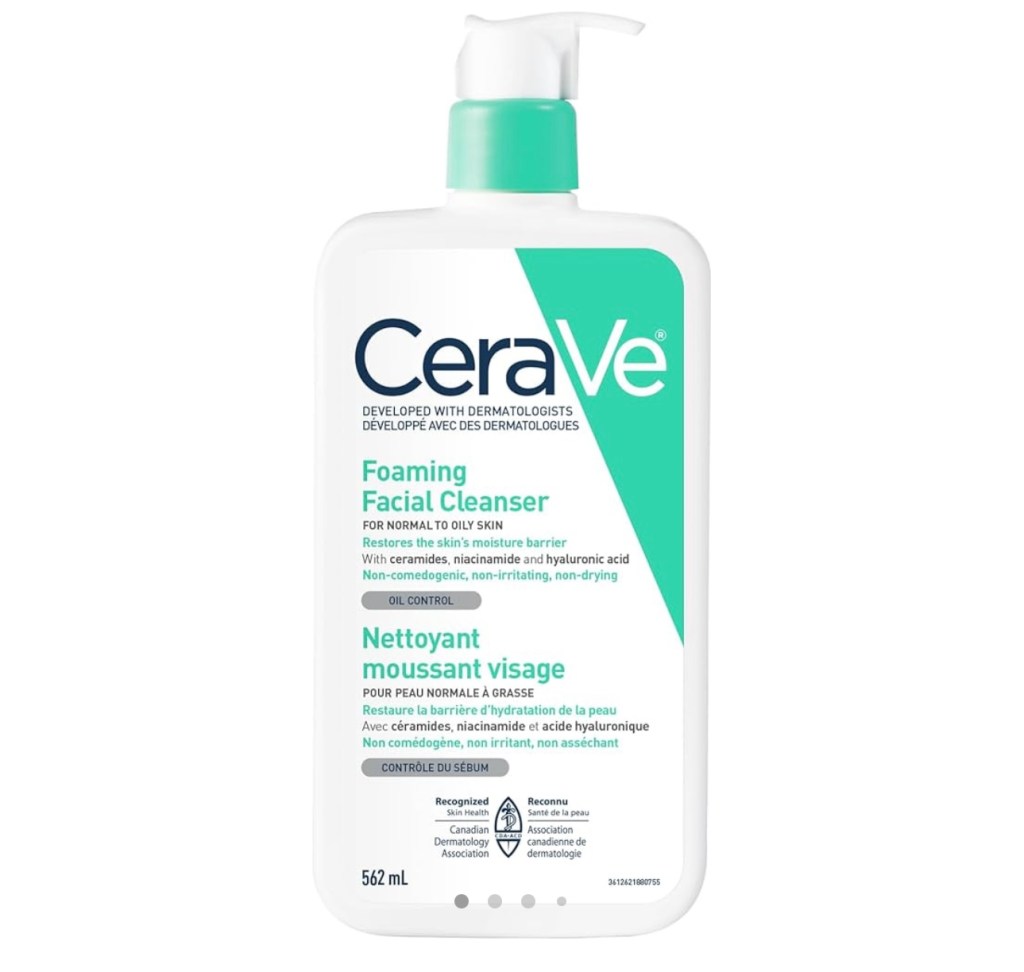
CeraVe Foaming Face Wash
Click Here
16. Support Network:
Lean on friends, family, or support groups who can provide emotional support and encouragement. Dealing with a chronic condition can be challenging, and having a support network can make a significant difference.
17. Monitor Thyroid Function Regularly:
Regular blood tests to monitor thyroid hormone levels (TSH, T3, T4) are essential for assessing treatment effectiveness and adjusting medication dosage as needed. I personally get my blood tested once a month.
18. Castor Oil Thyroid Wrap:
You can purchase these wraps on Amazon which you can put around any part of your body that is not working the way its supposed to. I purchased this wrap set and castor oil off of Amazon. I applied 1 tsp of castor oil to the wrap and placed it around my neck where my thyroid is for an hour 3 times a week. This method is proven to help your thyroid function. Below, I have attached the products I have purchased along with a video describing how the wrap works.

Castor Oil Wrap Pack
Click Here

Castor Oil
Click Here
19 . Dry Mouth:
Since everything in your body is speeding up with Graves Disease, you may notice you are experiencing dry mouth. I experienced this and always needed a drink every few minutes. My Dentist had suggested I get these dry mouth discs. They come in different flavours (I prefer the mint one) and they add moisture to your mouth which always helps to promote healthy gums and mouth! I have attached below the discs I use.
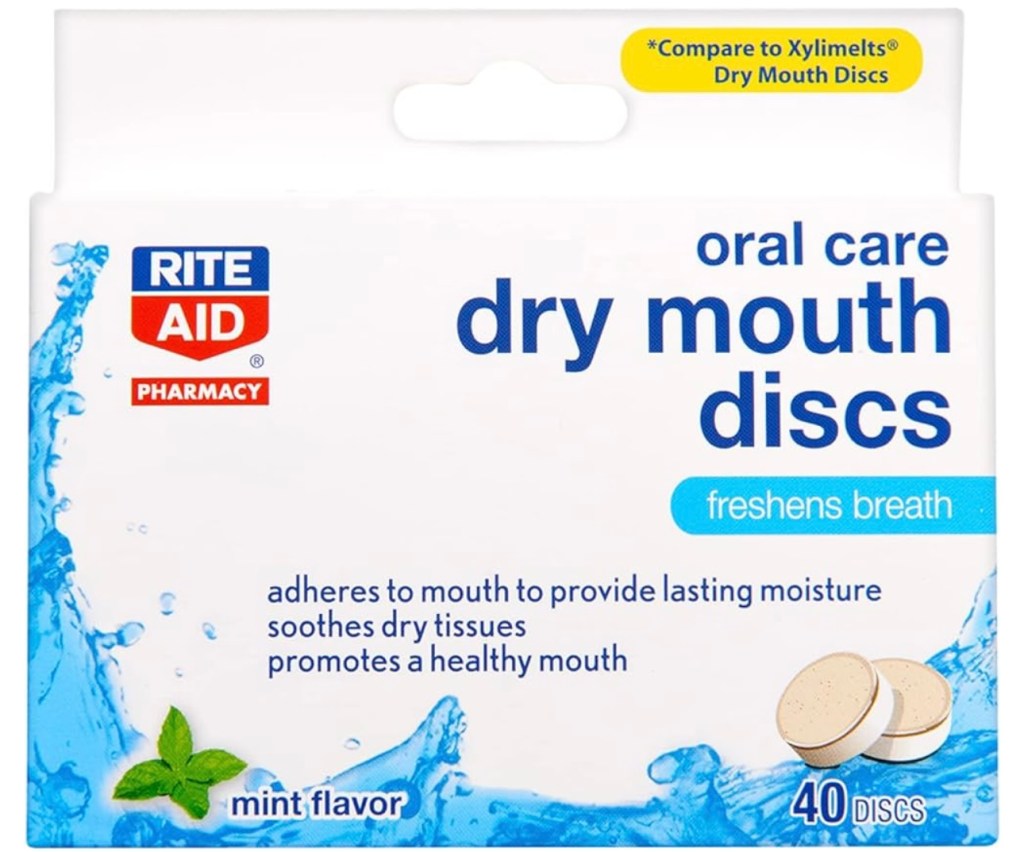
Dry Mouth Discs
Click Here
20: Plan Ahead for Travel:
If you plan to travel, ensure you have an adequate supply of medications, copies of medical records, and contact information for your healthcare providers in case of emergencies. Below I have attached my favourite meds bag that I take with me on my travels.

Meds Bag
Click Here
My Graves Disease journey is far from over. I am only on month 3 after being diagnosed. if anyone has any questions or want to reach out, do not hesitate to email me. My contact information is listed in my “About” section on the bottom of this page. I am sending love and support to anyone struggling with Graves Disease. I always want to send love to the people who have a family member of a friend with Graves Disease.
 Aly's Allure
Leave a comment